Want to camp right beside a towering piece of United States Naval history?
Head to Fort Townsend Historical State Park in Washington state, where the picnic shelter in the group campsite is an old torpedo tower that housed a US Navy Explosives Investigation Laboratory during World War II.
Inside the tower — right above your head as you sit munching sandwiches — US Navy staffers once defused and disassembled enemy submarine torpedoes and sea mines, using a massive x-ray machine that could penetrate 10 inches of steel.
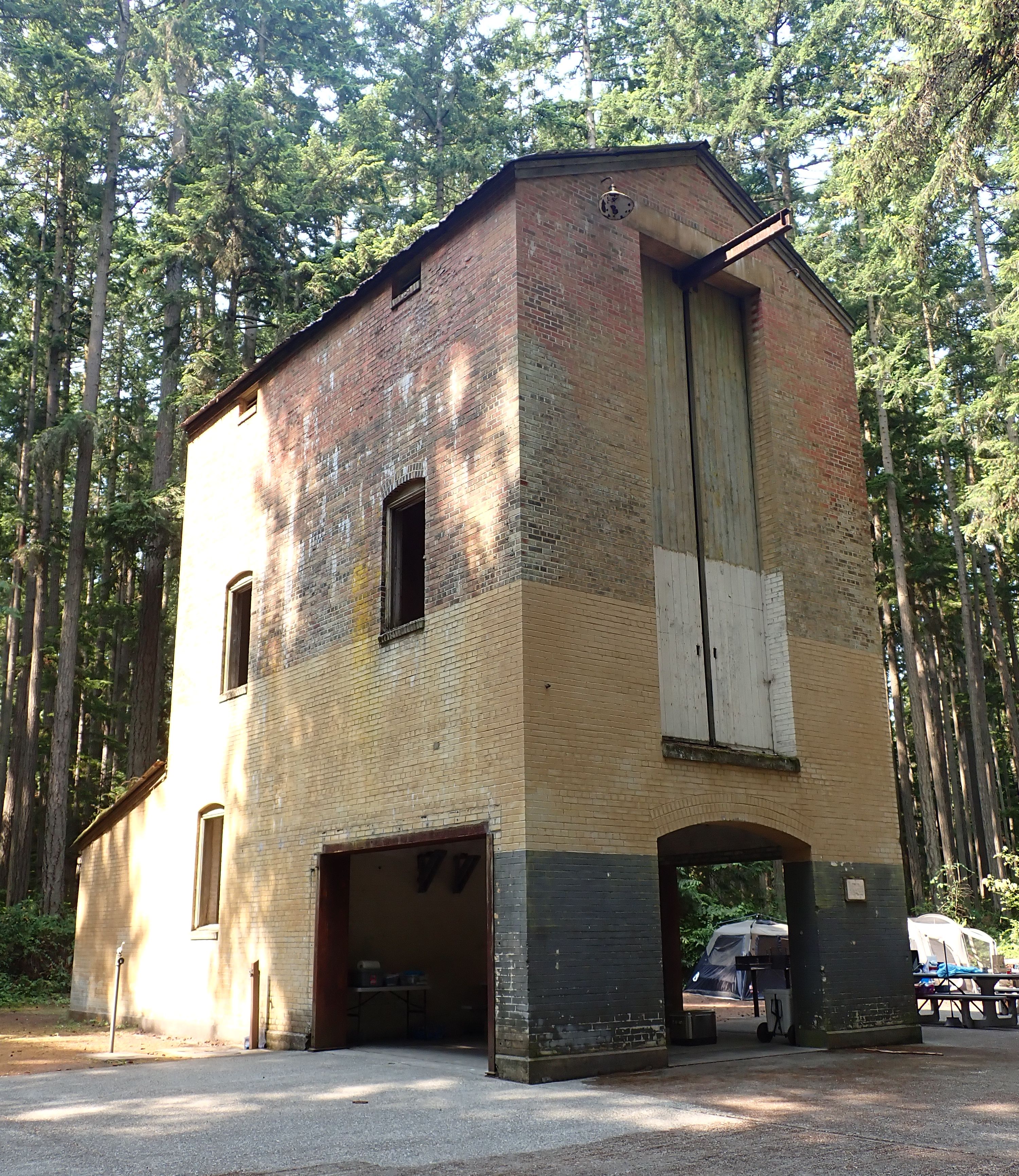
The x-ray machine inside the tower packed a powerful two-million-volt punch and was used to pinpoint the location of detonation fuses on weapons after they were hoisted up into the brick structure through the two tall double doors. Lab staff could then safely disarm and dismantle the devices in hopes of better understanding — and perhaps capitalizing on — enemy technology.
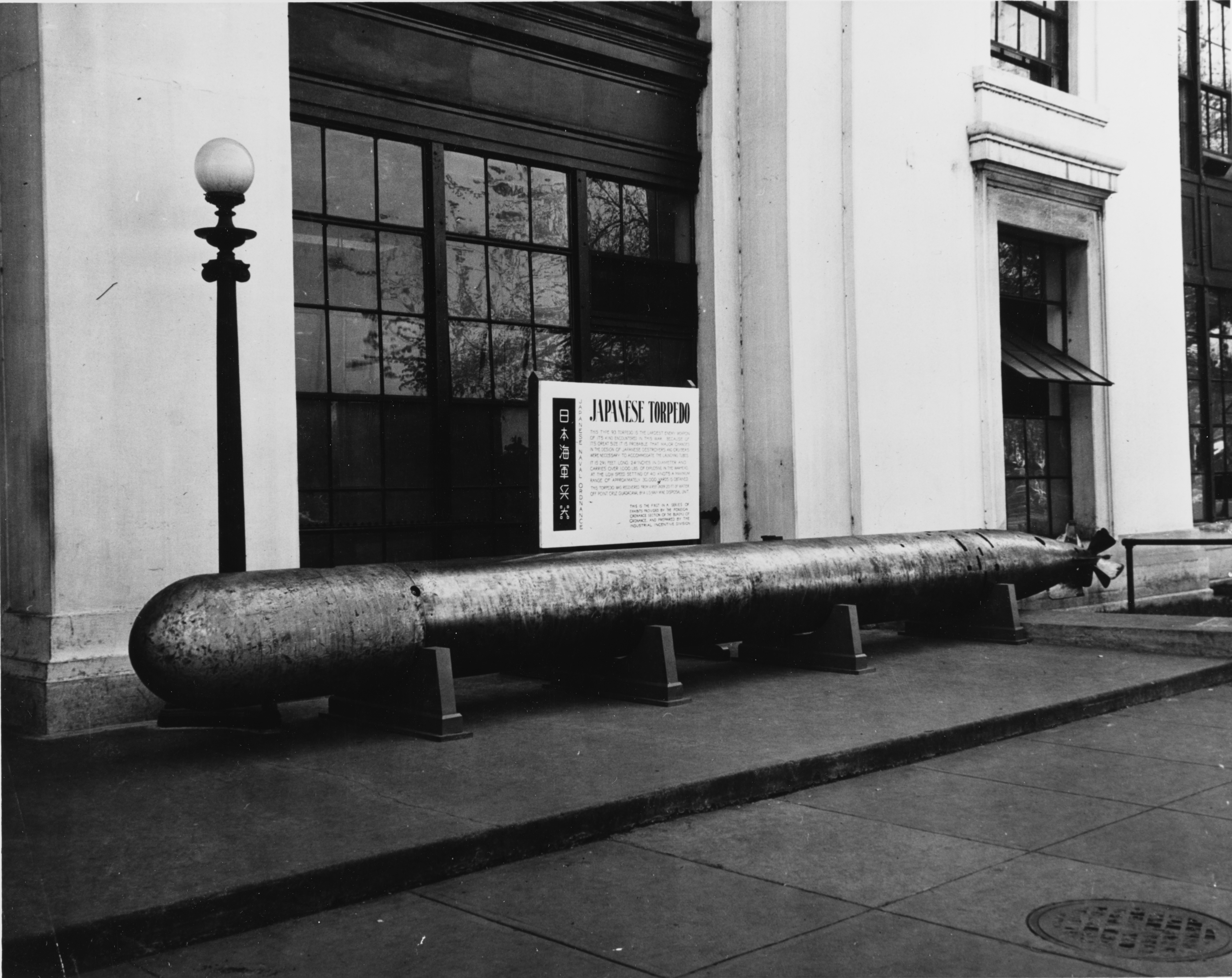
It’s not surprising that the US Navy wanted to crack the code on enemy torpedoes. The Japanese Type 93 torpedo (later called the Long Lance), was considered the best torpedo in the world during World War II. The Type 93’s long range, fast speed and large warhead made it a devastating weapon, far superior to anything else in use at the time. By contrast, the standard American torpedo, the Mark 14, was plagued with problems: it often ran too deep and missed its target, exploded prematurely or not at all, and circled back like a boomerang to strike the ship that fired it. Clearly, explosives investigation was a Navy priority.
Perhaps the time spent tinkering in the torpedo tower paid off. By the close of World War II, the Mark 14 had become a reliable and accurate weapon, one that wreaked havoc on Japanese naval ships and remained in US Navy service for another four decades.

After World War II, the Explosives Investigation Laboratory was decommissioned, and the torpedo tower’s massive x-ray machine was transferred to the Naval Shipyard in Bremerton, Washington.
Although the torpedo tower is located in Fort Townsend Historical State Park, the tower is not associated with the Fort. Fort Townsend was established by the US Army much earlier, in 1856, to protect settlers in the area. Except for a 15-year stretch (1859 to 1874, during which time the site was considered unfit for use), Fort Townsend operated consistently until 1895, when a fire in the barracks ended its operational life. The Fort was decommissioned, and the site sat vacant until World War II, when the Navy built its Explosives Lab.
Washington State Parks assumed responsibility for the site in 1953.
If you visit Fort Townsend Historical State Park:
- Hike the park’s trail system to visit the torpedo tower in the group campsite. The tower is located at the junction of the Madrona Trail and the Group Camp Cutoff Trail. Be aware that paid campers may be using the site when you visit.
- If you are camping with a group, reserve the group campsite to take full advantage of all the tower has to offer present-day visitors.
- Check out the park’s other historical attractions, including a former military cemetery (accessed via the Cemetery Trail) and a self-guided historical walk, complete with interpretive plaques, that describes 19th-century Fort Townsend and the buildings that once existed there (accessed via the Historical Walk off the Parade Ground).
- Hike the park’s other trails — there are over 6 miles of them — and take in the peaceful forest and occasional ocean views


 The Road Home